
HORMONE THERAPY
Testosterone Pellets vs Injections & Creams
Compare testosterone pellets, injections, and creams. Learn the benefits, risks, and why patients in Piscataway choose hormone pellet therapy.
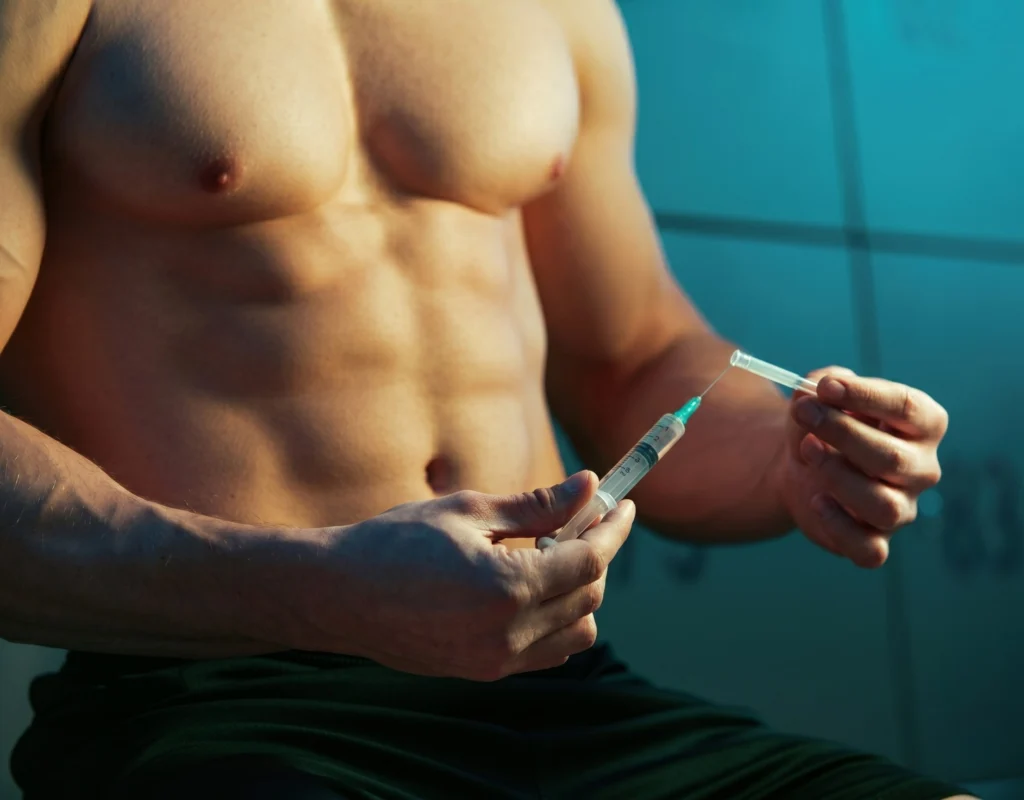
Hormonal imbalance can affect energy levels, mood, metabolism, libido, and overall well-being. For men and women experiencing symptoms related to low testosterone, modern hormone therapy offers several treatment options, including injections, topical creams, and pellet therapy.
At Forever Young Medical Aesthetics in Piscataway, NJ, patients often ask how hormone pellet therapy compares to other forms of hormone replacement. Below is a clear breakdown of how testosterone pellets work, their benefits and drawbacks, and how they compare to injections and creams.
What Are Testosterone Pellets?
Hormone pellets are small, rice-sized implants inserted just beneath the skin (typically in the hip area). They release a steady, controlled dose of bioidentical hormone over time.
Pellets are commonly used in bioidentical hormone replacement programs to treat symptoms of hormonal decline in both men and women. Because they deliver consistent hormone levels, they are considered one of the most stable forms of replacement pellet therapy available today.
What Is Testosterone Pellet Therapy Used For?
Testosterone pellets are prescribed as part of a personalized hormone therapy plan to address symptoms such as:
- Low energy and chronic fatigue
- Decreased libido
- Weight gain or difficulty building muscle
- Mood changes or irritability
- Brain fog
- Sleep disturbances
- Reduced bone density
Both men with low testosterone and women experiencing perimenopause or menopause may benefit from bioidentical hormone replacement using pellets.
As part of a broader regenerative medicine approach, optimizing hormone levels can support overall vitality and long-term wellness.
How Testosterone Pellets Compare to Injections and Creams
|
Treatement |
How It Works |
Pros |
Cons |
|
Pellets (Hormone Pellet Therapy) |
Inserted under the skin during a quick in-office procedure, pellets release testosterone steadily for 3–4 months in women and 4–6 months in men. |
|
|
|
Testosterone Injections |
Administered weekly or biweekly, injections deliver a higher dose at once, which gradually declines until the next dose. |
|
|
|
Testosterone Creams or Gels |
Applied daily to the skin, allowing testosterone to absorb transdermally. |
|
|
Frequency and Dosage
With hormone pellet therapy, dosage is determined after comprehensive lab testing and a clinical evaluation. The number of pellets inserted depends on:
- Current hormone levels
- Body composition
- Symptom severity
- Treatment goals
Pellets typically last:
- Women: Approximately 3–4 months
- Men: Approximately 4–6 months
This makes replacement pellet therapy a convenient option for patients who prefer fewer maintenance visits throughout the year.
Myths and Facts About Testosterone Pellets
Myth: Testosterone therapy is only for men.
Fact: Women also produce testosterone, and declining levels can significantly impact mood, energy, and libido. Carefully dosed bioidentical hormone replacement can benefit both genders.
Myth: Pellets cause extreme hormone spikes.
Fact: Unlike injections, pellets provide steady hormone release, which helps maintain stable levels.
Myth: Hormone therapy is unsafe.
Fact: When monitored by qualified medical professionals and tailored to the individual, hormone therapy is considered safe and effective for appropriate candidates.
Myth: Pellet therapy is permanent.
Fact: Pellets naturally dissolve over time. While they cannot be removed once inserted, they are not permanent and gradually wear off.
Why Patients in Piscataway Choose Hormone Pellet Therapy
Many patients in Piscataway, NJ prefer hormone pellets because they offer:
- Convenience
- Stable symptom relief
- Improved energy and mental clarity
- Enhanced libido
- Better body composition support
- Reduced hormonal fluctuations
For individuals seeking a streamlined approach to bioidentical hormone replacement, pellet therapy offers consistency without daily maintenance.
Is Hormone Pellet Therapy Right for You?
Choosing between injections, creams, and pellets depends on your health history, lifestyle, and treatment goals. A personalized consultation and lab evaluation are essential before starting any form of hormone replacement.
Discover Hormone Pellet Treatment in Piscataway, NJ
At Forever Young Medical Aesthetics in Piscataway, NJ, customized treatment plans are designed to restore hormonal balance safely and effectively using advanced regenerative medicine strategies.
If you are experiencing symptoms of hormonal imbalance, schedule a consultation to explore whether hormone pellet therapy may be right for you.
Table of Contents
