Opus Plasma® is an advanced skin resurfacing treatment offered at Forever Young in Edison, New Jersey. Unlike traditional lasers, this FDA-cleared device combines plasma technology with high-frequency unipolar radiofrequency to deliver precise heat energy to the skin. This stimulates natural collagen, elastin, and hyaluronic acid production while improving texture, tone, and firmness. The results are similar to those of an aggressive CO2 laser but with significantly less downtime, making it an effective choice for patients seeking rejuvenation without extensive recovery.
The main goal of Opus Plasma is to reverse visible signs of aging and restore youthful, radiant skin. By targeting damaged skin cells at a deep level, the treatment reduces wrinkles, fine lines, scars, and uneven pigmentation while tightening lax skin. Our skilled providers can adjust the intensity to address a wide range of concerns, from mild resurfacing to more aggressive rejuvenation, ensuring personalized results. Maintenance treatments every 6–12 months help sustain improvements over time.
Opus Plasma is a versatile treatment that can be applied to various areas of the body. Common treatment areas include the face, neck, décolleté, hands, and abdomen. It is effective for addressing fine lines, enlarged pores, acne scars, stretch marks, and overall skin laxity. Whether the goal is smoothing wrinkles, improving texture, or firming loose skin, Opus Plasma offers tailored solutions with noticeable results after just one session.
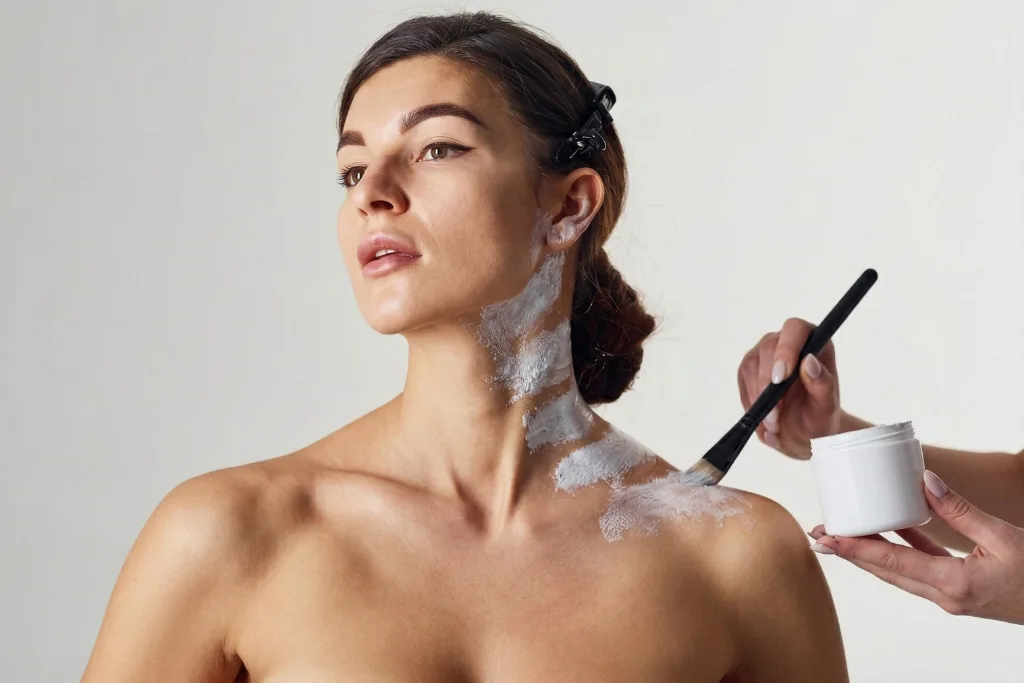
Before undergoing Opus Plasma, patients should avoid direct sun exposure, tanning, and harsh skincare products (such as retinoids or exfoliants) for at least a week. A consultation is conducted to review medical history, discuss skincare goals, and customize the treatment plan. On the day of the procedure, a topical numbing cream may be applied to minimize discomfort and prepare the skin for treatment.
Following the procedure, patients may experience mild redness, swelling, or sensitivity similar to a sunburn. These effects generally resolve within a few days. It is important to keep the skin moisturized, avoid direct sun exposure, and use broad-spectrum sunscreen daily to protect healing skin. Makeup can typically be worn within 24–48 hours, and most patients can return to normal activities immediately after treatment. For best results, a series of 3–4 sessions is often recommended.
Most sessions last about 20–30 minutes, depending on the treatment area.
Some patients notice improvements after just one session, but optimal results are typically seen after 3–4 treatments.
A topical numbing cream is usually applied before treatment. Most patients report only mild discomfort during the procedure.
Downtime is minimal. Redness and swelling may occur but usually subside within 1–3 days.
Results vary, but many patients enjoy long-lasting improvements with maintenance sessions every 6–12 months.