HORMONE THERAPY
Hair Loss Treatment: PRP Therapy & Hair Regrowth Guide
Explore hair loss treatment options, PRP therapy for hair, and effective hair regrowth treatments to restore thicker, healthier hair naturally.
Hair loss treatment is no longer limited to hiding thinning areas or trying random home remedies that barely work. Today, you have real, science-backed options that can actually slow hair fall, strengthen follicles, and even bring back growth in areas you thought were gone for good.
If you’ve started noticing more hair on your pillow, in the shower, or your hairline slowly shifting back, this guide will help you understand what’s happening — and what you can actually do about it.
What Causes Hair Loss?
Hair loss doesn’t happen overnight. It’s usually a mix of internal and external factors building up over time.
Common causes include:
- Genetics (Androgenetic Alopecia)
The most common reason. If it runs in your family, chances are high you’ll experience it too. - Hormonal Changes
Conditions like thyroid imbalance, pregnancy, menopause, or testosterone shifts can trigger hair fall. - Stress & Lifestyle
Mental stress can push hair into the shedding phase faster than normal. - Nutritional Deficiency
Low levels of iron, vitamin D, or protein can weaken hair roots. - Medical Conditions
Scalp infections, autoimmune issues, or medications can also contribute.
The key thing to understand:
Hair loss is not just a surface problem. It starts from within.
Early Signs You Shouldn’t Ignore
Most people wait too long before taking action. But hair loss gives early warnings.
- Increased hair fall while combing or washing
- Thinning near the crown or temples
- Wider parting line (especially in women)
- Receding hairline
- Reduced hair volume
If you catch it early, treatments like PRP can give significantly better results.
Understanding Hair Growth Cycle
Hair grows in cycles, and disruption in this cycle leads to hair loss.
- Anagen Phase (Growth Stage): Hair actively grows
- Catagen Phase (Transition Stage): Growth slows
- Telogen Phase (Resting Stage): Hair falls out
When too many hairs enter the telogen phase early, shedding increases.
Most treatments aim to push hair back into the growth phase.
Best Hair Loss Treatment Options
There’s no “one-size-fits-all” solution. The right approach depends on your condition, age, and severity.
1. PRP Therapy (Most Popular Option)
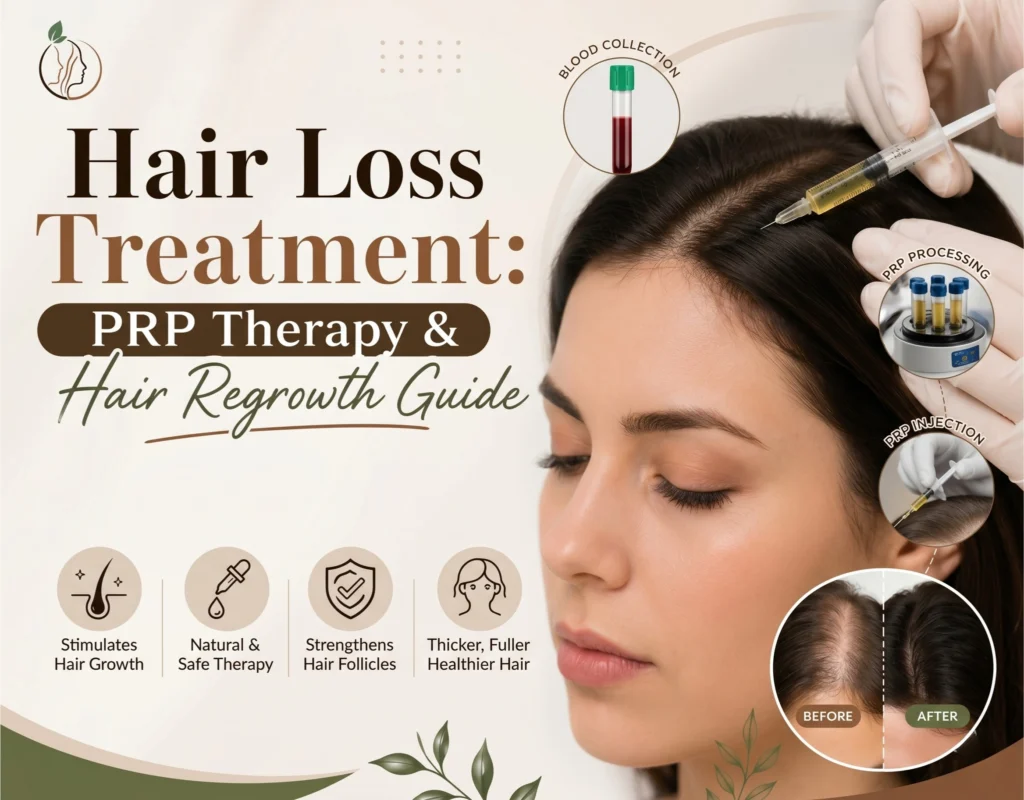
PRP (Platelet-Rich Plasma) therapy has become one of the most trusted non-surgical treatments for hair regrowth.
How it works:
- A small amount of your blood is drawn
- It’s processed to extract growth factor-rich plasma
- This plasma is injected into the scalp
What it does:
- Stimulates dormant hair follicles
- Improves blood supply to the scalp
- Strengthens existing hair
- Encourages new growth
Since it uses your own blood, the risk of side effects is minimal.
If you’re exploring advanced, non-surgical solutions, you can learn more about professional treatment options here:
https://njforeveryoungmd.com/hair-restore/
2. Medications
Doctors may recommend:
- Minoxidil (topical)
- Finasteride (oral, for men)
These help:
- Slow down hair loss
- Maintain existing hair
But results depend on consistency.
3. Laser Therapy
Low-level laser devices stimulate hair follicles and improve scalp health.
- Non-invasive
- Painless
- Works best in early stages
4. Hair Transplant (Advanced Cases)
For severe hair loss:
- Hair follicles are transplanted from dense areas
- Provides permanent results
Usually considered when other treatments don’t work.
Why PRP Therapy Stands Out
PRP isn’t just a trend — it’s backed by real results.
Key Benefits:
- Natural treatment (uses your own plasma)
- No surgery, no long downtime
- Improves hair thickness and density
- Works for both men and women
- Safe when done by professionals
It doesn’t just stop hair loss — it improves overall hair quality.
What to Expect During PRP Treatment
Many people hesitate because they don’t know what actually happens.
Here’s a simple breakdown:
Step 1: Blood is drawn
Step 2: Plasma is separated using a centrifuge
Step 3: Scalp is numbed
Step 4: PRP is injected into targeted areas
Session time: 45–60 minutes
You can go back to your routine the same day.
PRP Results Timeline
Hair regrowth takes time — patience is key.
- Month 1–2: Reduced hair fall
- Month 3–4: Noticeable thickness improvement
- Month 5–6: Visible regrowth in thinning areas
Full results usually appear after multiple sessions.
Who Is a Good Candidate for PRP?
PRP works best if:
- You’re in early to moderate hair loss stage
- Hair follicles are still active
- You want a non-surgical solution
- You prefer natural treatments
It may not work well in completely bald areas.
Tips to Improve Hair Regrowth Naturally
Treatment works better when combined with healthy habits.
Simple things that actually help:
- Eat protein-rich foods (eggs, nuts, lentils)
- Manage stress (meditation, exercise)
- Avoid excessive heat styling
- Use gentle hair products
- Maintain scalp hygiene
Think of treatment as support — your lifestyle still matters.
When Should You See a Specialist?
If you notice:
- Sudden or excessive hair loss
- Patchy hair loss
- Hair thinning at a young age
- No improvement with basic care
Don’t wait. Early intervention gives better results.
For a personalized evaluation and advanced solutions, you can explore this treatment page:
https://njforeveryoungmd.com/hair-restore/
Final Thoughts
Hair loss can feel frustrating, even overwhelming. But the good news is — you’re not stuck with it.
With the right hair loss treatment plan, especially options like PRP therapy, you can:
- Slow down hair fall
- Strengthen existing strands
- Improve thickness
- Restore natural growth
The earlier you act, the better your results will be.
Table of Contents

Trusted Care
Triple Board-Certified Physician
17+ years of experience in specialized women s healthcare.
Piscataway, NJ
908-300-7227
Frequently Asked Questions (FAQs)
1. Does PRP therapy really work for hair loss?
Yes, PRP has shown effective results in improving hair thickness and reducing hair fall, especially in early stages.
2. Is PRP treatment painful?
It involves mild discomfort, but numbing is used to make the procedure comfortable.
3. How many PRP sessions are needed?
Usually 3–4 sessions initially, followed by maintenance sessions based on results.
4. Is hair regrowth permanent with PRP?
PRP helps stimulate growth, but maintenance may be needed to sustain results.
5. Can women undergo PRP therapy?
Yes, PRP works well for both men and women experiencing hair thinning.
6. How soon can I see results after PRP?
You may notice reduced hair fall within a month, but visible regrowth takes 3–6 months.
7. Are there any side effects?
Since it uses your own blood, side effects are minimal when done by experts.
8. Can PRP be combined with other treatments?
Yes, it’s often combined with medications or laser therapy for better results.