HORMONE THERAPY
What Is PDRN and Why Is Everyone Talking About It?
The Science-Backed Skin Treatment That Goes Deeper Than Any Serum
“Your skin has a natural repair system — PDRN is the key that helps switch it back on.”
What Exactly Is PDRN?
If you’ve been exploring advanced skincare treatments lately, you’ve probably come across the term PDRN. From Korean aesthetic clinics to premium medical spas, this regenerative treatment has quickly become one of the most sought-after solutions for skin rejuvenation.
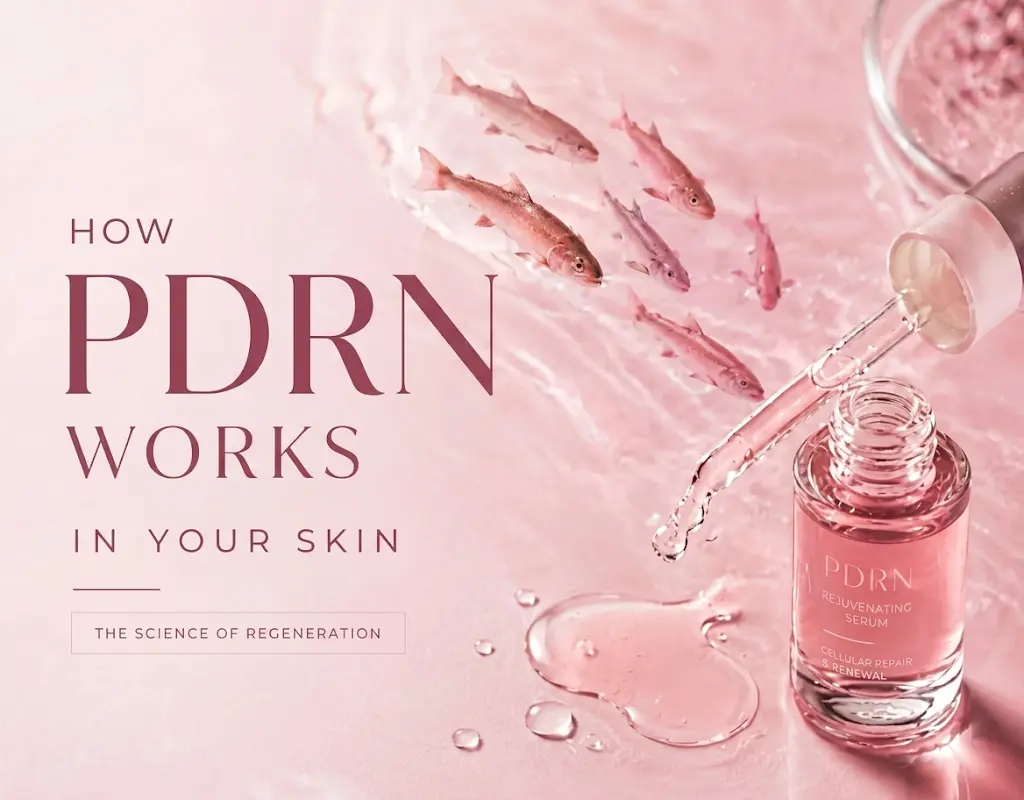
PDRN (Polydeoxyribonucleotide) consists of highly purified DNA fragments derived from a controlled biological source, most commonly salmon DNA, which shares remarkable structural similarities with human DNA. These fragments are carefully processed to ensure purity and compatibility with the body.
Think of your skin as a building that has endured years of sun exposure, pollution, stress, and natural aging. PDRN acts like a delivery system supplying the materials needed to repair, restore, and strengthen that structure from within.
How Does PDRN Actually Work Under Your Skin?
Unlike creams and serums that mainly work on the skin’s surface, PDRN is delivered directly into the dermis through micro-injections, allowing it to target the deeper layers where true regeneration takes place.
1. Activates Your Skin’s Natural Repair Receptors
PDRN stimulates adenosine A2A receptors, which play an important role in tissue regeneration. Once activated, these receptors encourage the production of:
- Collagen
- Elastin
- Hyaluronic Acid
These essential components help restore firmness, elasticity, and hydration while improving overall skin quality.
2. Supplies DNA Building Blocks for Cellular Repair
The DNA fragments within PDRN are utilized through a process known as the salvage pathway, where cells recycle these components to:
- Repair damaged DNA
- Support healthy cell turnover
- Accelerate tissue regeneration
- Improve skin resilience
Instead of forcing the skin to react, PDRN provides the resources needed for efficient healing and renewal.
3. Reduces Inflammation and Supports Recovery
One of PDRN’s most valuable benefits is its anti-inflammatory action. It helps calm irritated or damaged skin, making it particularly beneficial for:
- Sensitive skin
- Post-laser recovery
- Post-peel healing
- Environmentally stressed skin
This creates an optimal environment for regeneration and long-term skin health.
The Science Explained Simply
Imagine your skin cells as construction workers.
Every day, UV rays, pollution, stress, and aging damage their tools and blueprints. PDRN arrives with both fresh building materials and direct instructions that help the workers repair damage more efficiently.
The result is healthier skin, stronger collagen support, improved hydration, and a more youthful appearance over time.
What Skin Concerns Can PDRN Help Improve?
Clinical studies and patient outcomes suggest that PDRN can address multiple skin concerns simultaneously.
Fine Lines & Wrinkles
Supports collagen production that improves skin firmness and reduces visible signs of aging.
Deep Hydration
Enhances the skin’s natural ability to retain moisture for long-lasting hydration.
Dull & Tired Skin
Promotes healthier cell turnover, resulting in brighter and more radiant skin.
Pigmentation & Uneven Tone
Supports skin renewal, helping improve discoloration and sun-related damage.
Acne Scars & Uneven Texture
Encourages tissue repair and skin remodeling to improve texture over time.
Sensitive & Reactive Skin
Its anti-inflammatory properties help soothe redness and irritation while strengthening the skin barrier.
Note: Results vary between individuals. A qualified aesthetic practitioner can recommend the most suitable treatment plan based on your skin condition and goals.
PDRN vs. Other Popular Skin Treatments
Many aesthetic treatments improve skin appearance, but they work in very different ways. Here’s how PDRN compares:
Treatment | Stimulates Collagen | DNA Repair | Anti-Inflammatory | Downtime |
PDRN Injection | ✔ Yes | ✔ Yes | ✔ Yes | Minimal |
Hyaluronic Acid Filler | ✖ No | ✖ No | ✖ No | Minimal |
Retinol Cream | Indirect | ✖ No | ✖ No | None |
Laser Resurfacing | ✔ Yes | ✖ No | ✖ No | High (days to weeks) |
PRP (Vampire Facial) | ✔ Yes | ✖ No | Partial | Moderate |
Why Does PDRN Stand Out?
PDRN is one of the few treatments that works at a deeper biological level by supporting tissue regeneration, DNA repair pathways, collagen production, and inflammation control simultaneously.
Rather than simply filling volume or creating controlled skin injury, it focuses on helping the skin rebuild itself more effectively.
What Does a PDRN Treatment Feel Like?
One reason patients appreciate PDRN is its relatively comfortable treatment experience and minimal downtime.
Before Treatment
A topical numbing cream is typically applied for 20–30 minutes to maximize comfort during the procedure.
During Treatment
Using a very fine needle or cannula, the practitioner delivers PDRN into targeted areas such as:
- Face
- Neck
- Under-eye area
- Hands
Most sessions take approximately 30–45 minutes.
After Treatment
You may experience:
- Mild redness
- Small injection bumps
- Minor swelling
These effects usually resolve within a few hours, allowing most patients to resume normal activities the same day.
When Will You See Results?
Because PDRN stimulates your body’s natural repair processes, results develop gradually and naturally.
Typical Timeline
Week 1–2
- Improved hydration
- Enhanced skin glow
- Better overall skin texture
Week 4–8
- Increased firmness
- Improved elasticity
- Reduction in fine lines
Ongoing
- Continued collagen remodeling
- Progressive improvement in skin quality
Most treatment plans include:
- 3–4 initial sessions
- Spaced 2–4 weeks apart
- Maintenance treatments every 3–6 months
Is PDRN Right for You?
PDRN may be an excellent option if you:
✔ Notice early signs of aging or loss of skin vitality
✔ Prefer natural-looking improvement rather than dramatic changes
✔ Have sensitive or reactive skin that struggles with aggressive treatments
✔ Want to accelerate healing after lasers, peels, or other procedures
✔ Are looking to complement treatments such as Botox, dermal fillers, threads, or skin boosters
Who Should Avoid PDRN?
PDRN may not be suitable for:
- Pregnant women
- Breastfeeding mothers
- Individuals with certain autoimmune conditions
A consultation with a qualified aesthetic doctor is recommended before starting treatment.
Table of Contents

Trusted Care
Triple Board-Certified Physician
17+ years of experience in specialized women s healthcare.
Piscataway, NJ
908-300-7227
Frequently Asked Questions
1. Is PDRN the same as PN or Polynucleotides?
Yes. PDRN (Polydeoxyribonucleotide) and PN (Polynucleotide) are closely related terms often used interchangeably in aesthetic medicine.
Popular brands such as Rejuran®, Plinest®, and Nucleofill® contain polynucleotide-based regenerative ingredients.
2. Is PDRN safe? Are there any side effects?
PDRN has been used in wound healing and regenerative medicine for decades and has an established safety profile.
Potential side effects are usually mild and temporary:
- Redness
- Swelling
- Bruising
- Tenderness at injection sites
Serious complications are rare when performed by a qualified medical professional.
3. Can PDRN be combined with other treatments?
Yes. PDRN is frequently combined with:
- Botox
- Dermal Fillers
- Skin Boosters
- Microneedling
- Laser Treatments
- Thread Lifts
Many practitioners use PDRN to enhance healing and improve overall treatment outcomes.
4. How many sessions will I need?
Most patients begin with:
- 3–4 treatment sessions
- Every 2–4 weeks
Maintenance treatments are typically recommended every 3–6 months depending on individual goals and skin condition.
5. Is PDRN only used on the face?
No. While facial rejuvenation is the most common application, PDRN is also widely used on:
- Neck
- Décolletage
- Hands
- Under-eye area
- Scalp (for hair rejuvenation)
It can improve skin quality wherever tissue regeneration is beneficial.
Final Thoughts
PDRN represents a new generation of regenerative aesthetic medicine. Instead of simply masking signs of aging, it works with your body’s natural repair mechanisms to restore healthier, stronger, and more resilient skin.
For patients seeking natural-looking rejuvenation with minimal downtime, PDRN offers a scientifically backed approach that supports collagen production, cellular repair, hydration, and skin recovery from within.